
Posts

As state legislators across the country grapple with increasing housing costs for their constituents, there has been an onslaught of proposals that would severely impact the owners and operators of land-lease communities. MHI has leaned in more than ever at the state level to protect the ability of communities to continue to operate effectively and provide quality, attainable housing for their residents.

MHI has responded swiftly to an influx of harmful legislation—ranging from rent control to excessive regulatory burdens—by supporting state associations with resources and talking points, engaging directly with state lawmakers and facilitating grassroots advocacy. MHI plans to continue increasing its engagement and support at the state level into the future.

  • New Mexico: MHI had a pivotal role in helping defeat multiple bills during the 2025 legislative session, including with respect to rent control and right-of-first-refusal. Through written and verbal testimony, coordination with local owners and operators, and engagement with policymakers, MHI successfully helped ensure none of the legislation moved forward. MHI is now working with the policymakers to identify solutions that will support the land-lease community model and the residents that reside within them.
  • Maine: Working with the state association, MHI provided information, resources and testimony to combat several bills that would impose excessive per-lot fees during home sales, extend right-of-first-refusal periods and implement rent caps—policies that could disrupt community operations and limit housing availability.
  • Pennsylvania & Connecticut: MHI is actively supporting state association efforts to push back against aggressive rent control legislation through testimony and grassroots mobilization.
  • New York: MHI’s grassroots advocacy tools are being used to help stakeholders voice opposition to rent control bills that threaten housing affordability and community stability.
  • New Jersey: MHI continues to fight against rent control legislation that has now been passed by the legislature and is pending before the governor, in concert with the state association.

MHI is committed to educating policymakers at all levels of government about the value and benefits of land-lease communities and will continue to increase our state advocacy support.

Keep Exploring

Related Posts

November 17, 2026

A Landmark Housing Reform, Captured in One Word

On November 11, the Times selected “chassis” for its daily vocabulary feature and reported that the word had appeared in 65 articles on NYTimes.com in the past year. To illustrate its meaning, the publication chose a passage about manufactured housing and the significance of the new federal housing law, the 21st Century ROAD to Housing Act.
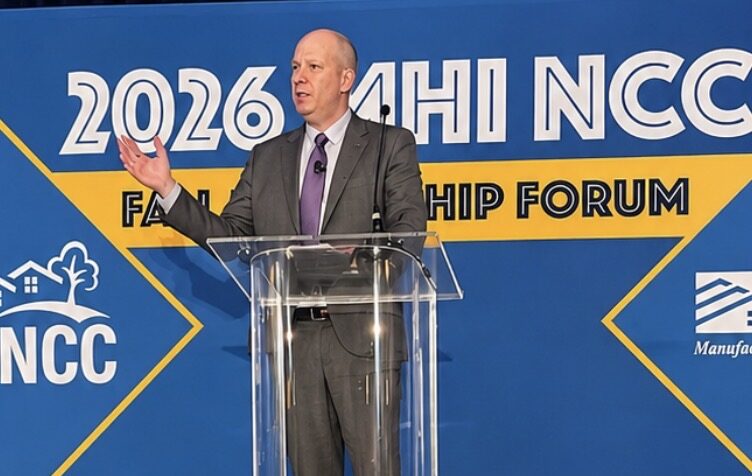
MHI’s Fall Leadership Forum Delivers Lineup of Heavy Hitters

MHI’s National Communities Council Fall Leadership Forum, held November 4–6 in Chicago, brought together national experts to examine the forces shaping the future of manufactured housing communities.
November 2, 2026

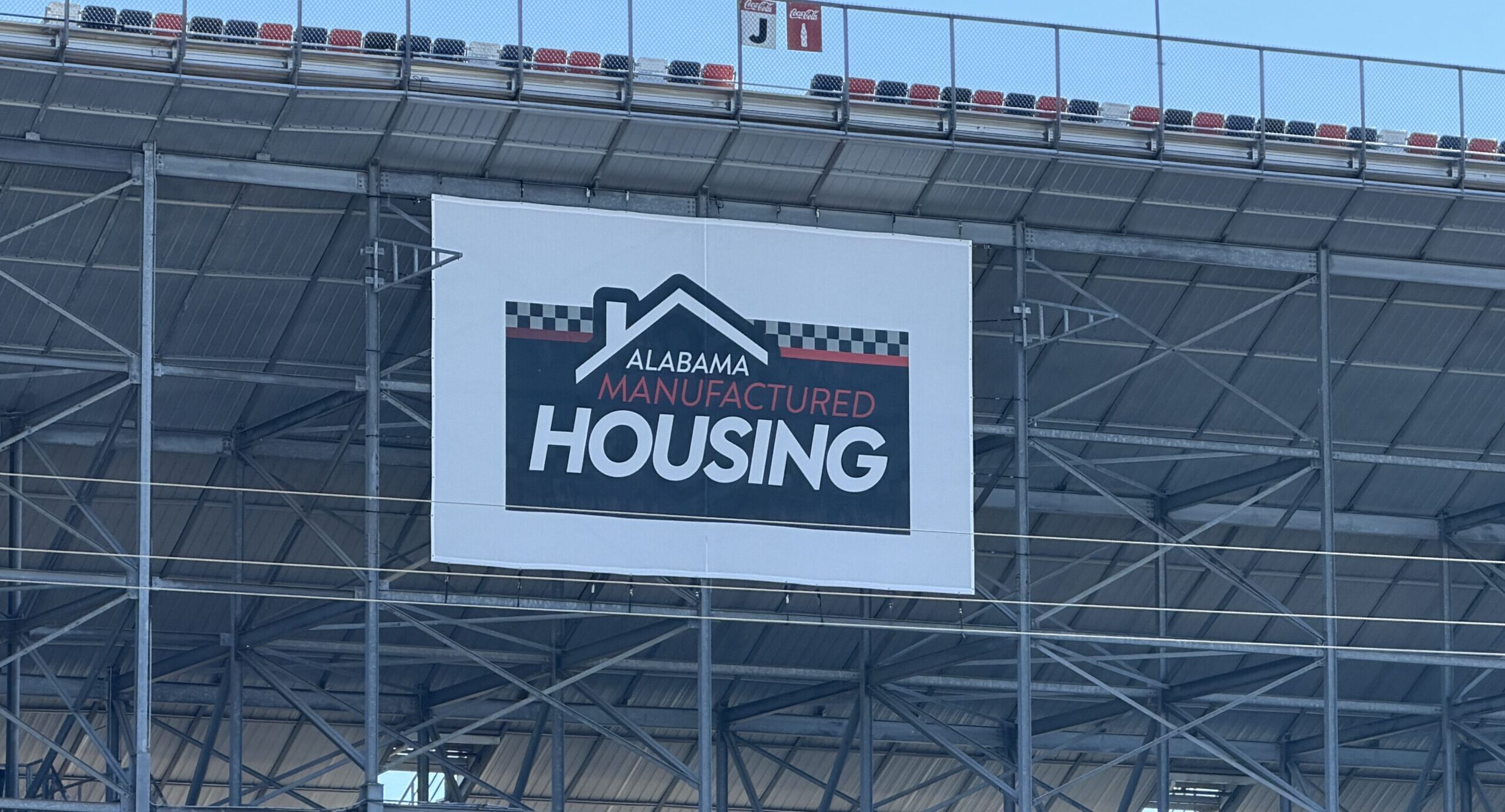
Manufactured Housing Revs Up at Talladega

This page is available to MHI members only. If you are already…
November 17, 2026

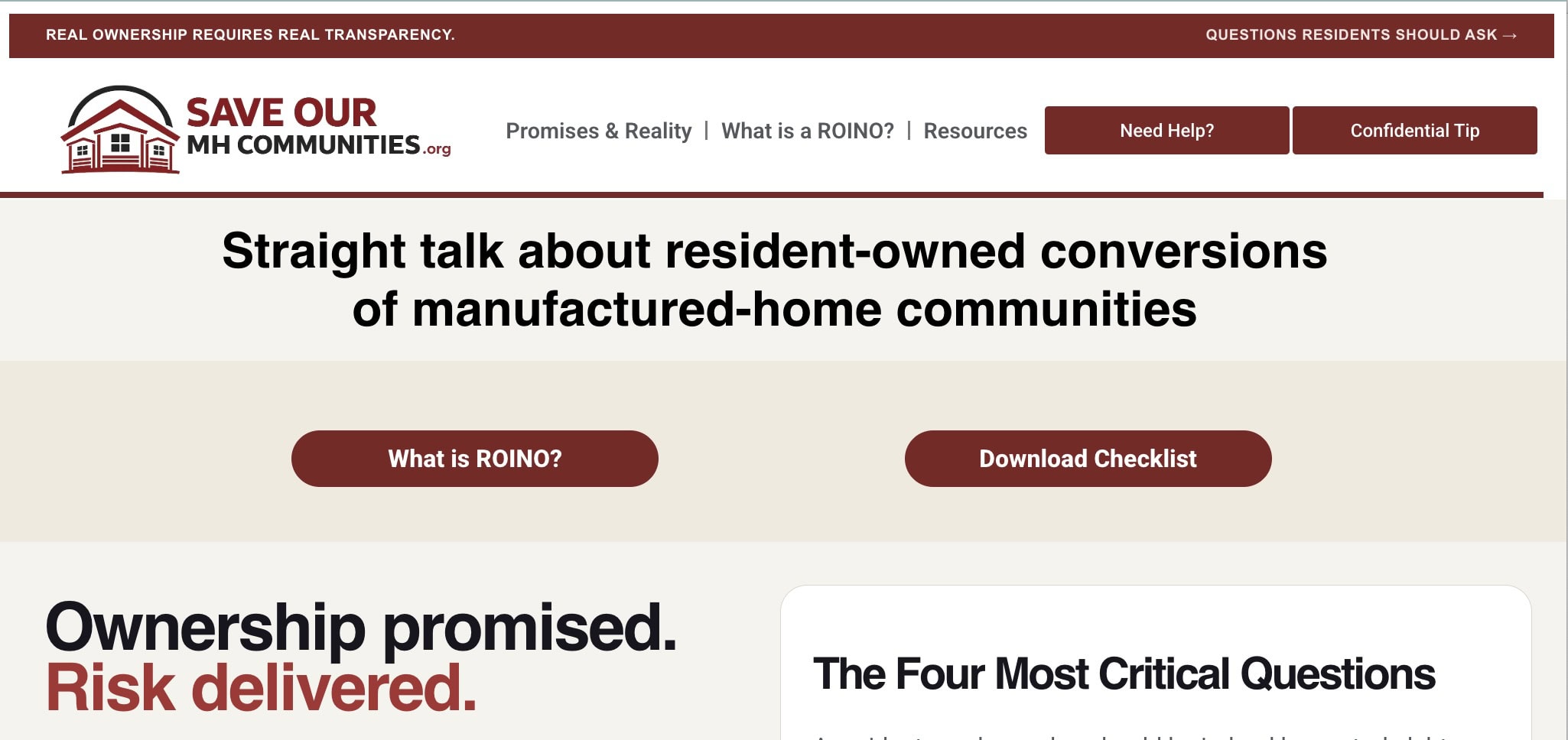
MHI Website Defends Land-Lease Model, Exposes “Resident-Owned in Name Only” Conversion Risks

MHI launched a new public education resource designed to help manufactured housing residents better understand resident-ownership conversion proposals and the financial, legal and operational commitments that can come with them.

A Landmark Housing Reform, Captured in One Word

On November 11, the Times selected “chassis” for its daily vocabulary feature and reported that the word had appeared in 65 articles on NYTimes.com in the past year. To illustrate its meaning, the publication chose a passage about manufactured housing and the significance of the new federal housing law, the 21st Century ROAD to Housing Act.
GAO Report Highlights Manufactured Housing Solutions—and the Barriers Holding Them Back

A new U.S. Government Accountability Office (GAO) report identifies factory-built housing as an opportunity to expand housing supply and improve affordability. Released November 10, the assessment examines construction technologies that can reduce costs and accelerate production, while identifying barriers that limit their use.