

Posts

The rules for financing a manufactured home can differ from those for site-built housing, mostly depending on whether you own the land where the home will be placed or if you will rent the land.

Financing Choices
There are two main ways to finance the purchase of a manufactured home. Conventional mortgages are available to qualified buyers who purchase their manufactured home along with a parcel of land. Personal property loans are available for homes located on land the buyer does not own, such as a manufactured home community, or when only the home is being financed and not the land.

Several lenders also offer mortgages and personal property loans for manufactured homes insured by the Federal Housing Administration (FHA), the U.S. Department of Veterans Affairs (VA), and the Rural Housing Services (RHS) under the U.S. Department of Agriculture. Visit our Find a Lender or Manufacturer page to see a list of MHI members who are lenders.

Understand Interest Rates
Interest rates for manufactured homes vary from low FHA-insured mortgage rates to higher rates based on the age and size of the home, the amount of the loan, the amount of the down payment, the term of the loan, the site location, and the borrower’s credit.

Even though the interest rate may be higher on a personal property home loan than a conventional mortgage, loan payments are often less than a mortgage for a site-built home loan or than renting a comparable apartment.

Assemble Your Financial Information and Get Pre-Approved
When you are ready to buy a manufactured home, the more you have your financial situation in order, the better off you will be. Depending on the type of loan you are eligible for, it is important that you have money saved for the down payment and closing costs. Be sure you understand your credit score, which is a key factor that lending institutions use to determine the terms of your loan.

Before you apply for credit, gather your bank statements, pay stubs, tax returns and other financial records. The more prepared you are, the faster you can get the process underway, know the budget you are working with, and get pre-approved for the loan. The best way to determine your budget is to get pre-approved by a lender. This will help you know how much you can afford based on your income and your current financial situation. This also gives you the opportunity to shop around and learn more about the various lending products you may be eligible for — from conventional loans to VA and FHA loans.

Most banks have a mortgage financing checklist that will likely be applicable to most types of manufactured housing loans to help you through the process.

Have Clear and Specific Goals
Write down what you want in a home, in terms of square footage, bedrooms, bathrooms, amenities and location. With your budget in mind, consider what is critical and what is optional for you. Be sure to evaluate all costs of homeownership, including land rent (or purchase), financing charges, insurance, taxes, and maintenance.

Housing and Credit Counseling
There are community resources to help you better understand the home buying process. You may wish to contact HUD’s Housing Counseling Clearinghouse for a list of resources. HUD-approved housing counseling agencies across the country provide housing counseling to renters, first-time buyers and homeowners. The Housing Counseling Clearinghouse is a toll-free 24-hour-a-day automated voice response system that provides referrals to local housing counseling agencies at (800) 569-4287. Referrals are also available for Spanish-speaking home buyers.

Visit our Find a Lender or Manufacturer page to see a list of MHI lender members and home manufacturer members.


Keep Exploring

Related Posts
November 17, 2026

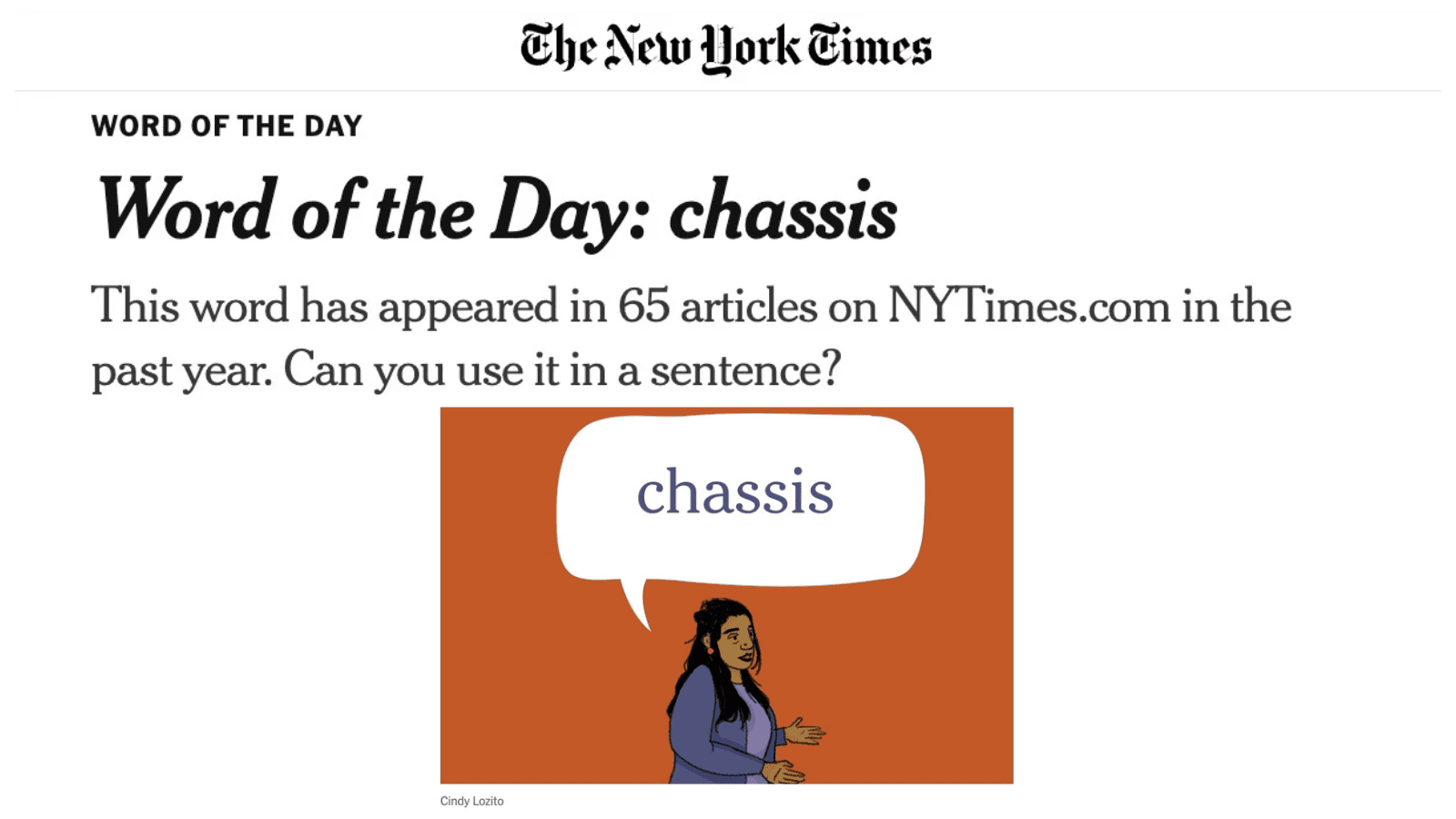
A Landmark Housing Reform, Captured in One Word

On November 11, the Times selected “chassis” for its daily vocabulary feature and reported that the word had appeared in 65 articles on NYTimes.com in the past year. To illustrate its meaning, the publication chose a passage about manufactured housing and the significance of the new federal housing law, the 21st Century ROAD to Housing Act.
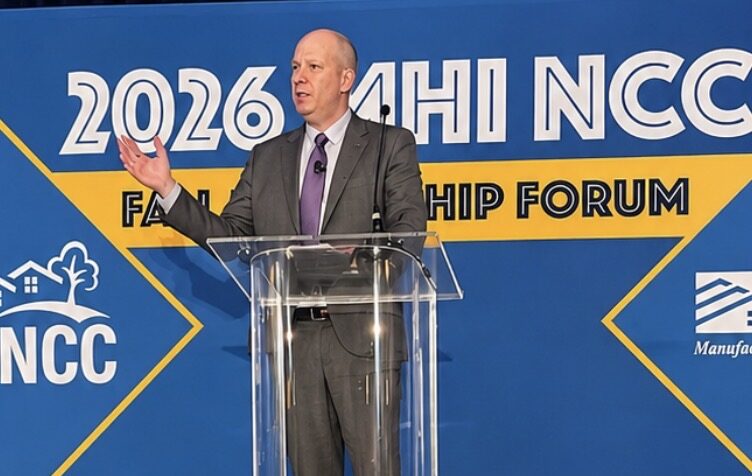
MHI’s Fall Leadership Forum Delivers Lineup of Heavy Hitters

MHI’s National Communities Council Fall Leadership Forum, held November 4–6 in Chicago, brought together national experts to examine the forces shaping the future of manufactured housing communities.
November 2, 2026

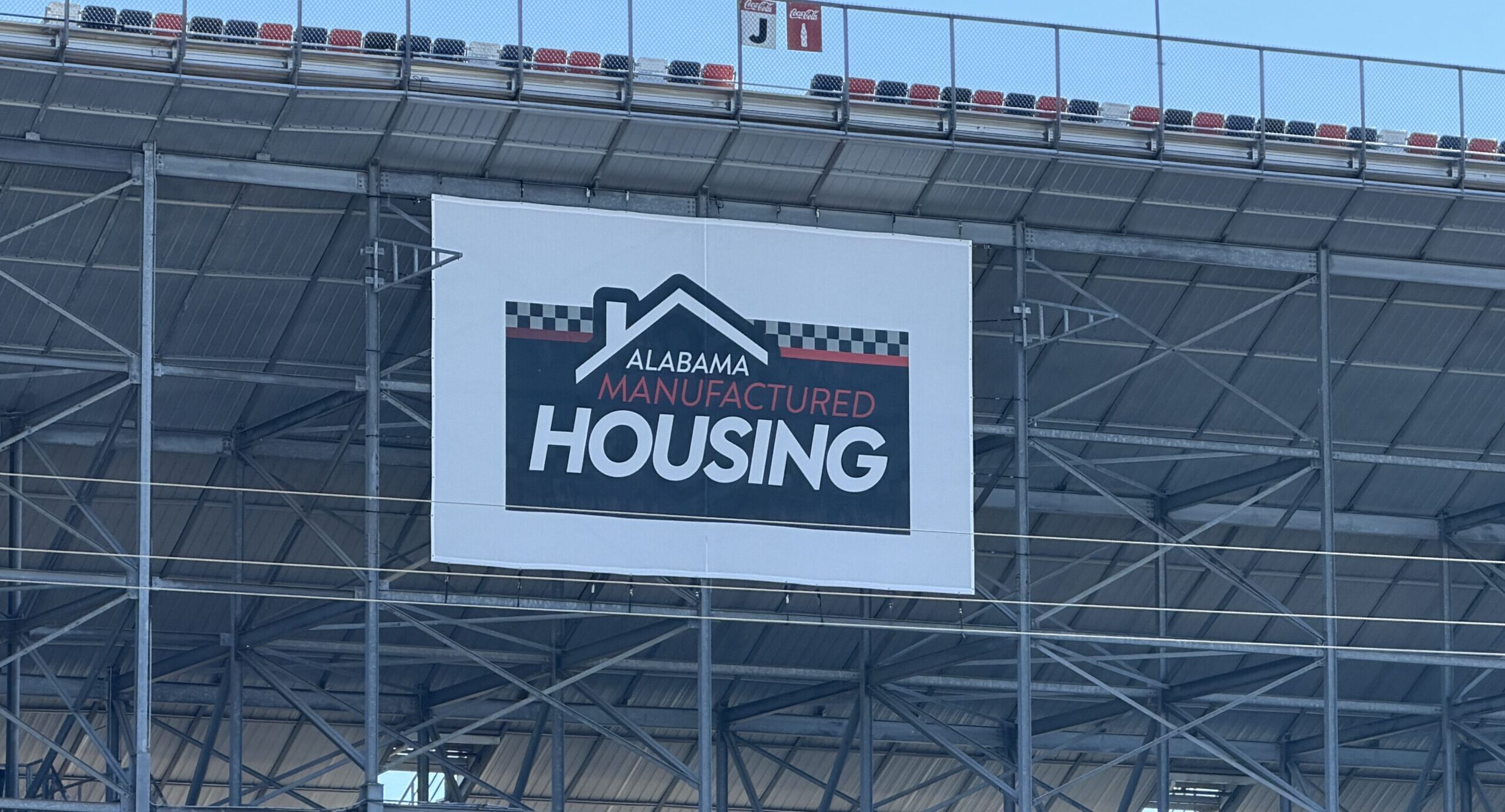
Manufactured Housing Revs Up at Talladega

This page is available to MHI members only. If you are already…
November 17, 2026

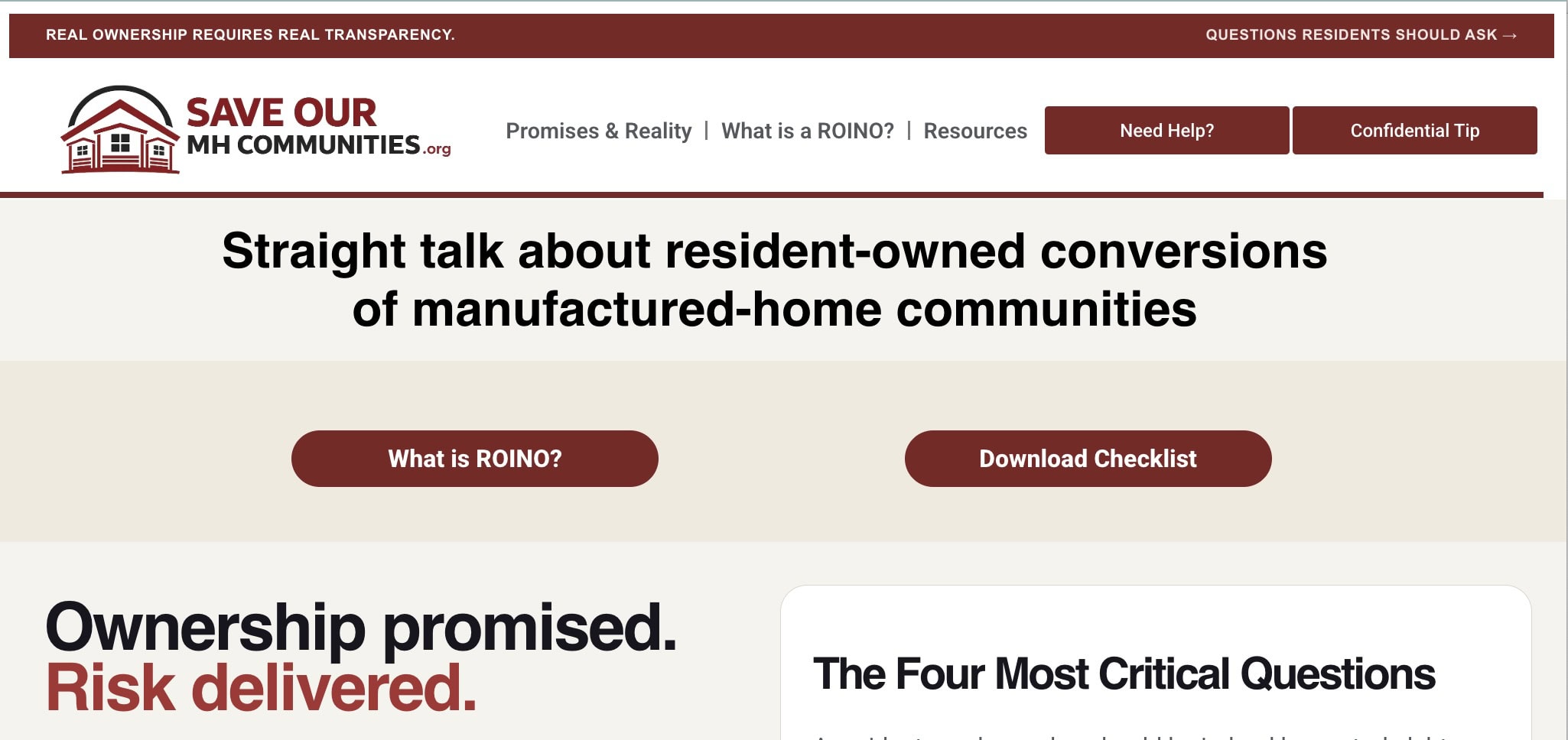
MHI Website Defends Land-Lease Model, Exposes “Resident-Owned in Name Only” Conversion Risks

MHI launched a new public education resource designed to help manufactured housing residents better understand resident-ownership conversion proposals and the financial, legal and operational commitments that can come with them.

A Landmark Housing Reform, Captured in One Word

On November 11, the Times selected “chassis” for its daily vocabulary feature and reported that the word had appeared in 65 articles on NYTimes.com in the past year. To illustrate its meaning, the publication chose a passage about manufactured housing and the significance of the new federal housing law, the 21st Century ROAD to Housing Act.
GAO Report Highlights Manufactured Housing Solutions—and the Barriers Holding Them Back

A new U.S. Government Accountability Office (GAO) report identifies factory-built housing as an opportunity to expand housing supply and improve affordability. Released November 10, the assessment examines construction technologies that can reduce costs and accelerate production, while identifying barriers that limit their use.