

Posts

Last week, the U.S. House of Representatives passed a comprehensive budget package (H.R. 1, the One Big Beautiful Bill Act) by a narrow vote of 215-214-1. This bill combines recommendations from 11 House committees under the fiscal year 2025 budget resolution and now heads to the Senate for consideration.

Several provisions in the bill reflect priorities that directly benefit the manufactured housing industry and its workforce:

  • Full and Immediate Expensing for Equipment and Machinery: Increases expensing from 40% to 100% through 2029, supporting capital investment in manufacturing operations.
  • Enhanced Pass-Through Deduction: Raises the Section 199A deduction (qualified business income deduction) from 20% to 23%.
  • Expanded Opportunity Zones: Tightens geographic eligibility while placing a greater emphasis on rural development.
  • Expensing for Structures: Allows 100% tax deduction on improvements to new or existing factories and facilities through 2028.
  • Tax Relief for Workers: Eliminates taxes on overtime pay and tips through 2028.
  • AI Regulation Moratorium: Prevents state and local governments from regulating AI and automated decision systems for 10 years—providing increased clarity and flexibility for rental housing operators using these technologies.

While the bill includes many pro-growth provisions, it also proposes the elimination of several clean energy tax credits, including the 45L tax credit for energy-efficient homes—a long-standing priority for MHI.

MHI launched a full-scale advocacy campaign to preserve this critical incentive. As a consistent champion of 45L, MHI has submitted comment letters, met with lawmakers and worked across the aisle to emphasize the importance of this credit in keeping energy-efficient homes affordable for low- and moderate-income families.

With the current House bill excluding 45L, MHI is redoubling its efforts to ensure this vital tax credit remains in place and actively engaging with Congressional leaders to advocate for its inclusion in any final reconciliation legislation.

These developments underscore MHI’s commitment to protecting and advancing the interests of the manufactured housing industry. From tax policy to regulatory reform, MHI continues to be a strong voice for our members — ensuring that federal legislation supports innovation, affordability and growth.

Keep Exploring

Related Posts

November 17, 2026

A Landmark Housing Reform, Captured in One Word

On November 11, the Times selected “chassis” for its daily vocabulary feature and reported that the word had appeared in 65 articles on NYTimes.com in the past year. To illustrate its meaning, the publication chose a passage about manufactured housing and the significance of the new federal housing law, the 21st Century ROAD to Housing Act.
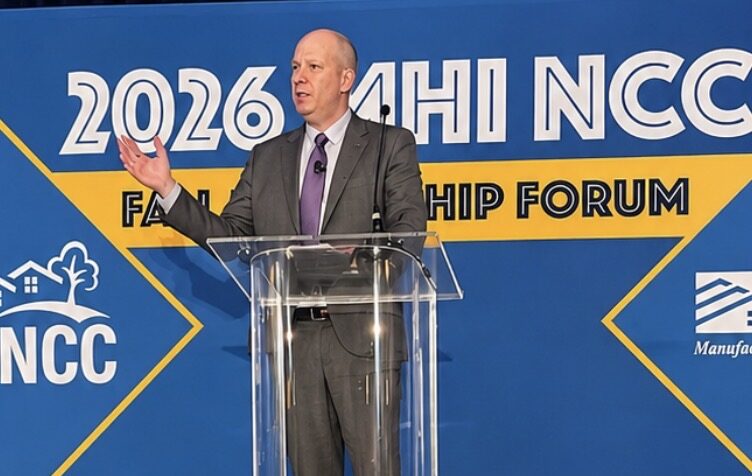
MHI’s Fall Leadership Forum Delivers Lineup of Heavy Hitters

MHI’s National Communities Council Fall Leadership Forum, held November 4–6 in Chicago, brought together national experts to examine the forces shaping the future of manufactured housing communities.

November 2, 2026

Manufactured Housing Revs Up at Talladega

This page is available to MHI members only. If you are already…
November 17, 2026

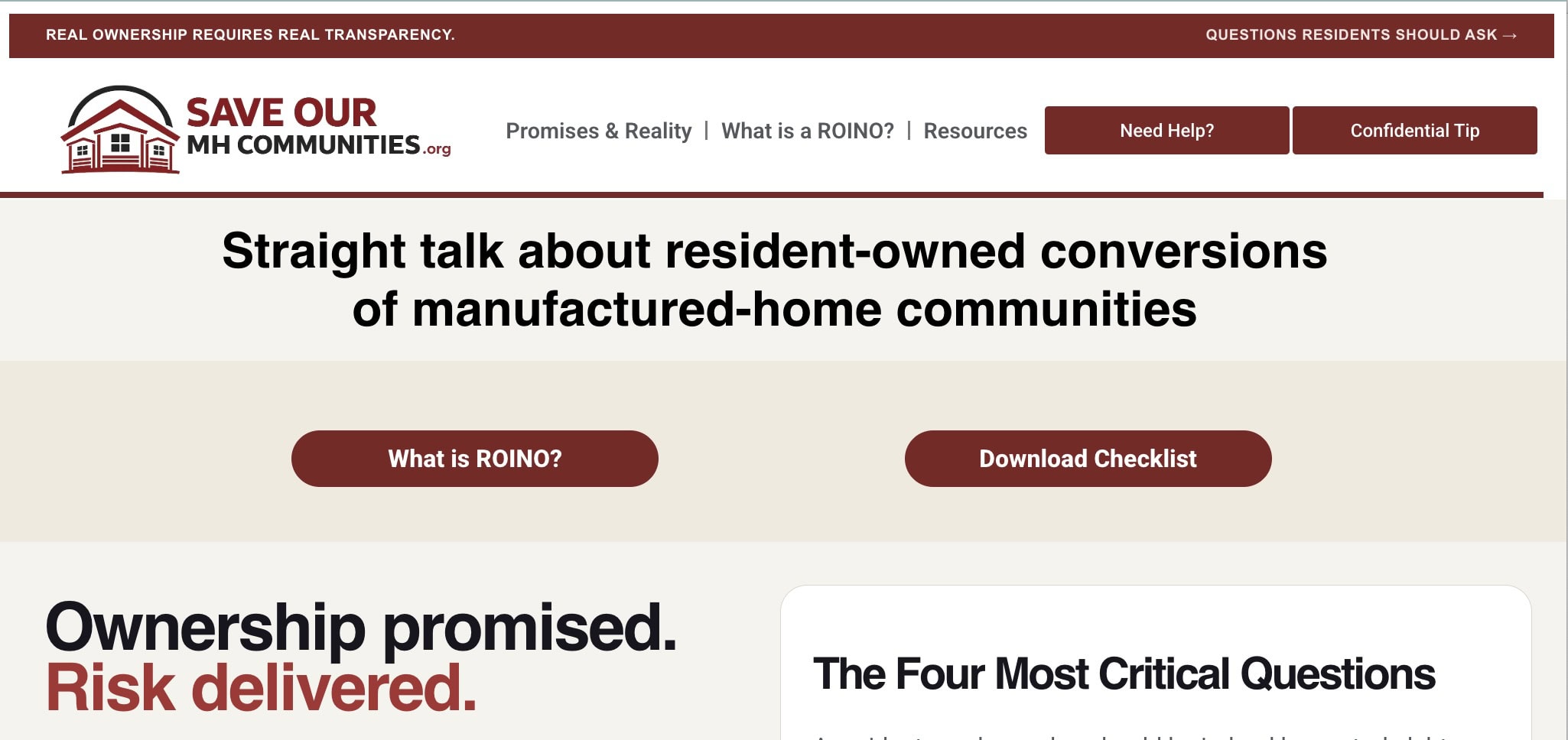
MHI Website Defends Land-Lease Model, Exposes “Resident-Owned in Name Only” Conversion Risks

MHI launched a new public education resource designed to help manufactured housing residents better understand resident-ownership conversion proposals and the financial, legal and operational commitments that can come with them.

A Landmark Housing Reform, Captured in One Word

On November 11, the Times selected “chassis” for its daily vocabulary feature and reported that the word had appeared in 65 articles on NYTimes.com in the past year. To illustrate its meaning, the publication chose a passage about manufactured housing and the significance of the new federal housing law, the 21st Century ROAD to Housing Act.
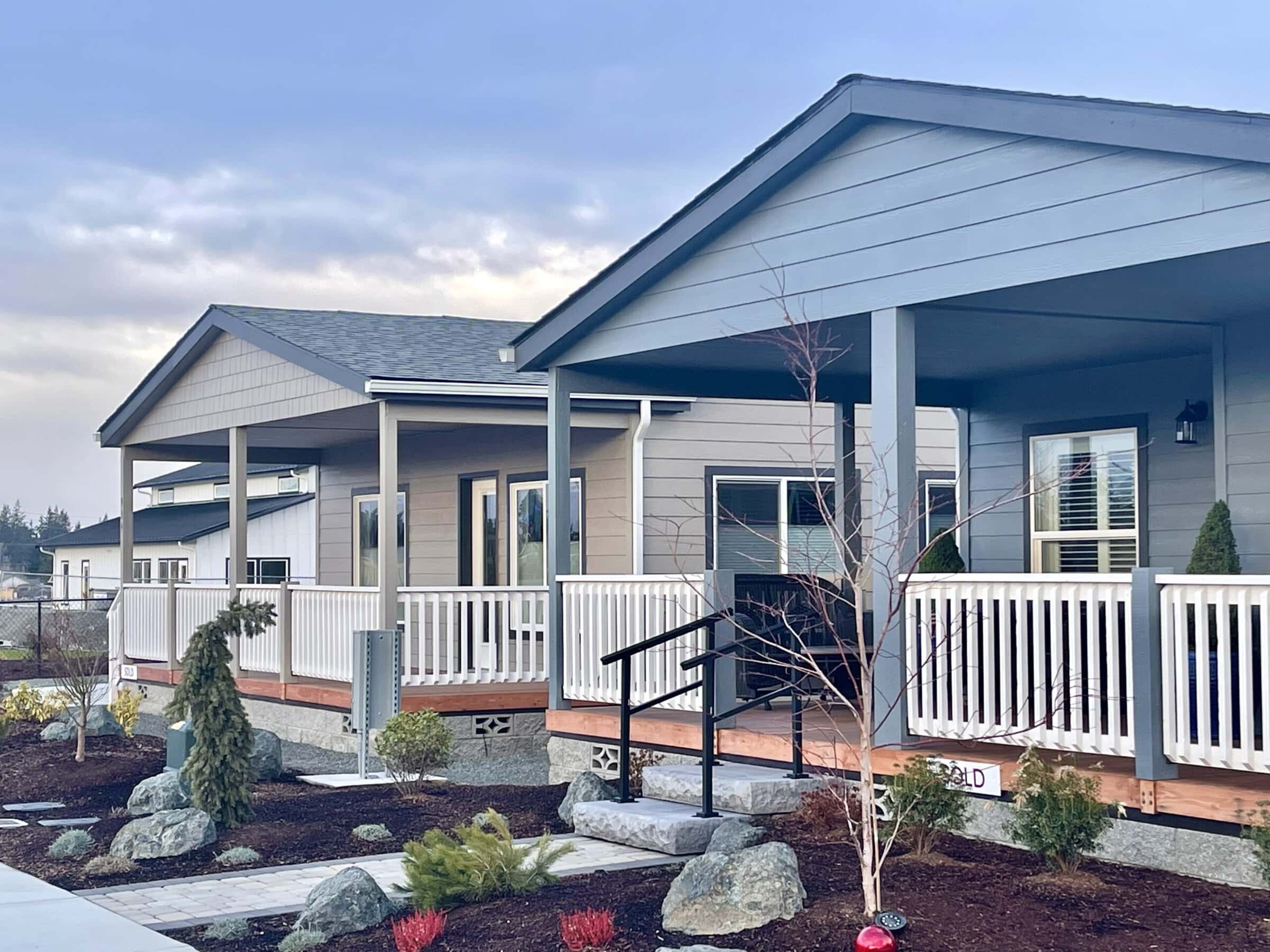
GAO Report Highlights Manufactured Housing Solutions—and the Barriers Holding Them Back

A new U.S. Government Accountability Office (GAO) report identifies factory-built housing as an opportunity to expand housing supply and improve affordability. Released November 10, the assessment examines construction technologies that can reduce costs and accelerate production, while identifying barriers that limit their use.