

Keep Exploring
Related Posts
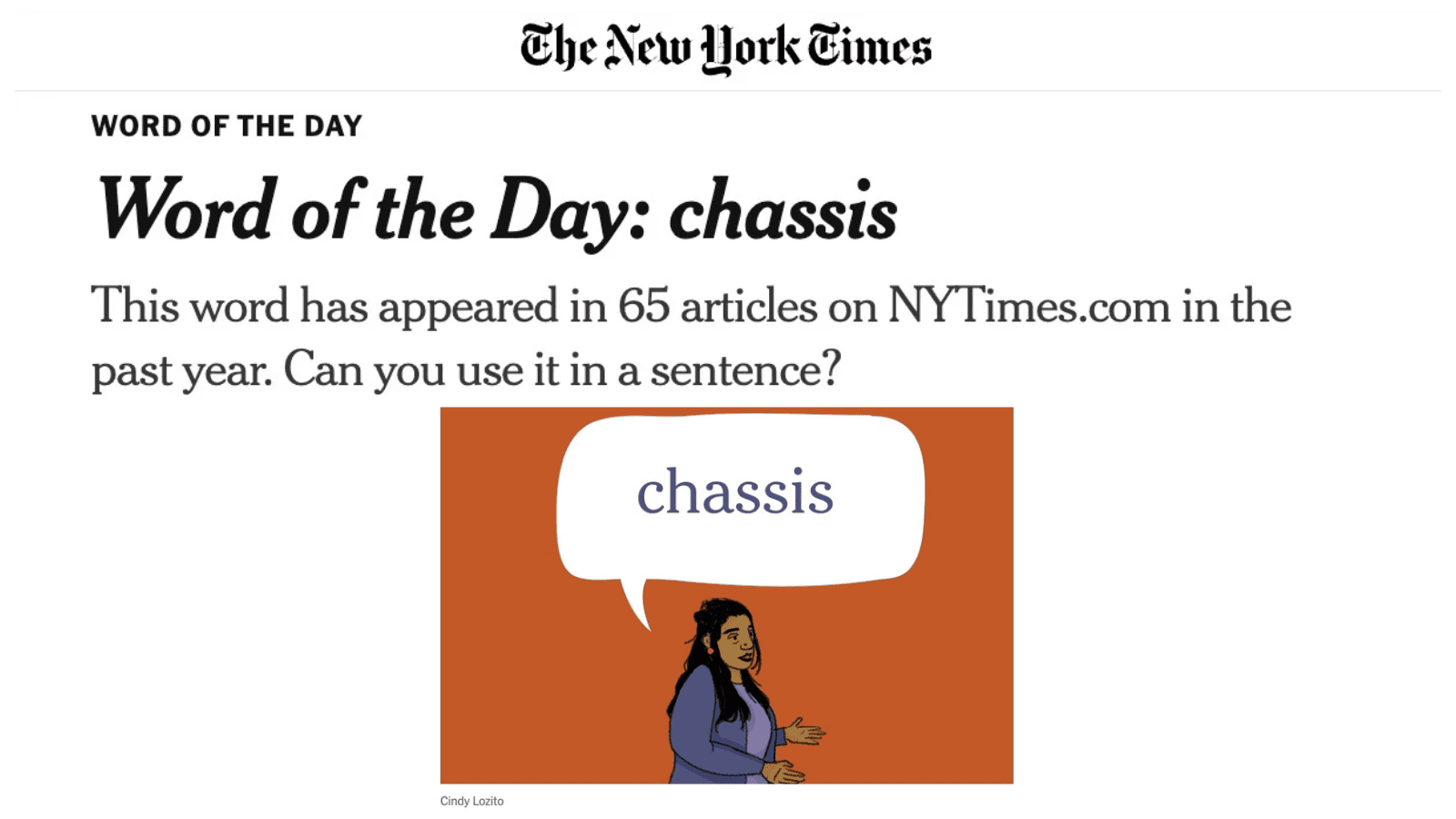
A Landmark Housing Reform, Captured in One Word
On November 11, the Times selected “chassis” for its daily vocabulary feature and reported that the word had appeared in 65 articles on NYTimes.com in the past year. To illustrate its meaning, the publication chose a passage about manufactured housing and the significance of the new federal housing law, the 21st Century ROAD to Housing Act.
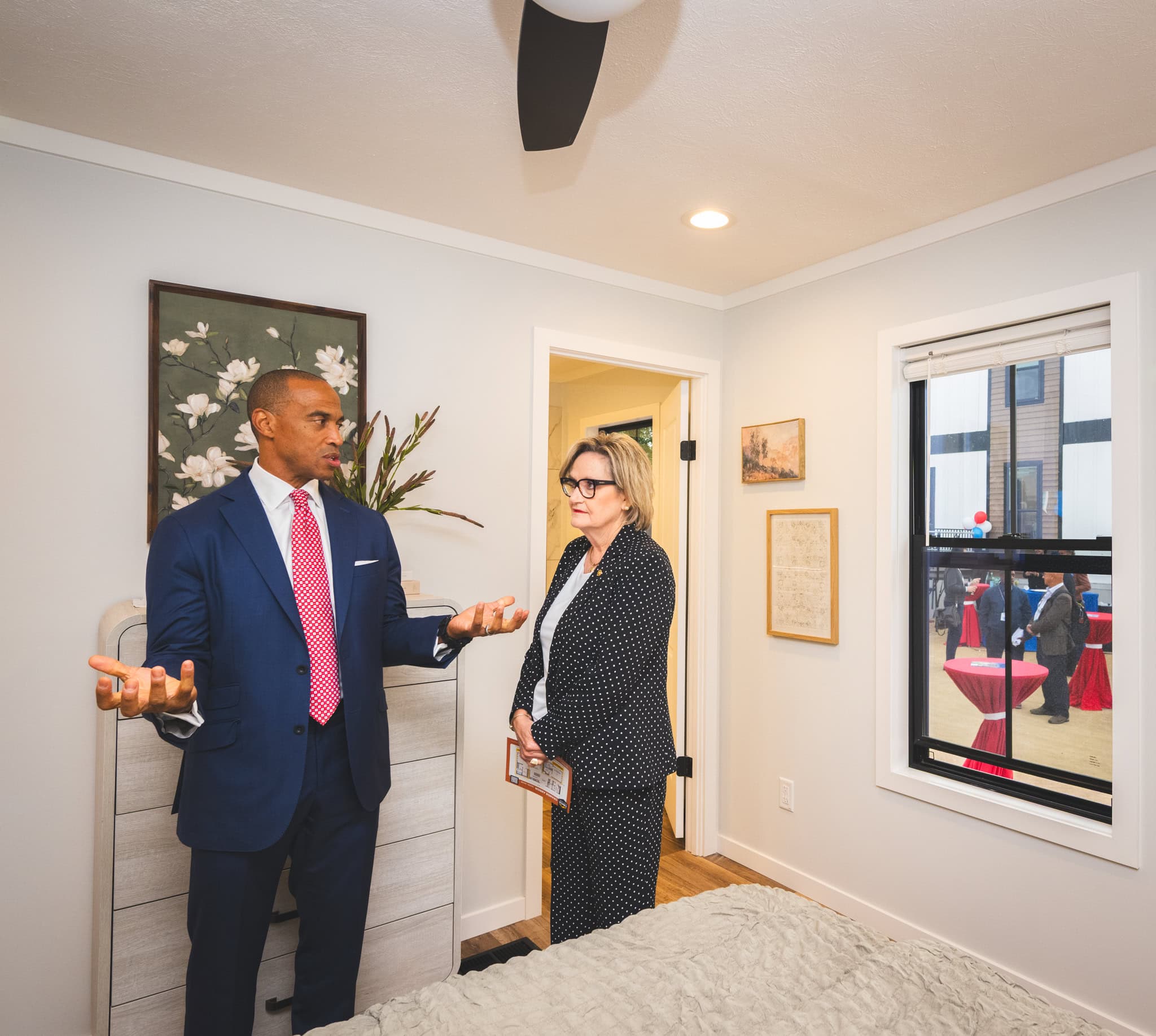
HUD Leaders Spotlight Manufactured Housing in National Housing Discussion
Senior HUD officials are highlighting the quality of today’s manufactured homes and making the public case for expanding their contribution to the nation’s housing supply.
Sen. Risch Introduces Senate Companion to House-Passed Affordable HOMES Act
U.S. Senator Jim Risch (R-Idaho) has introduced the Senate companion to Representative Erin Houchin’s House-passed Affordable Housing Over Mandating Efficiency Standards (HOMES) Act. While the 21st Century ROAD to Housing Act reaffirmed HUD as the primary regulator for manufactured housing standards, some conflicting statutory overlap with the Department of Energy remains.
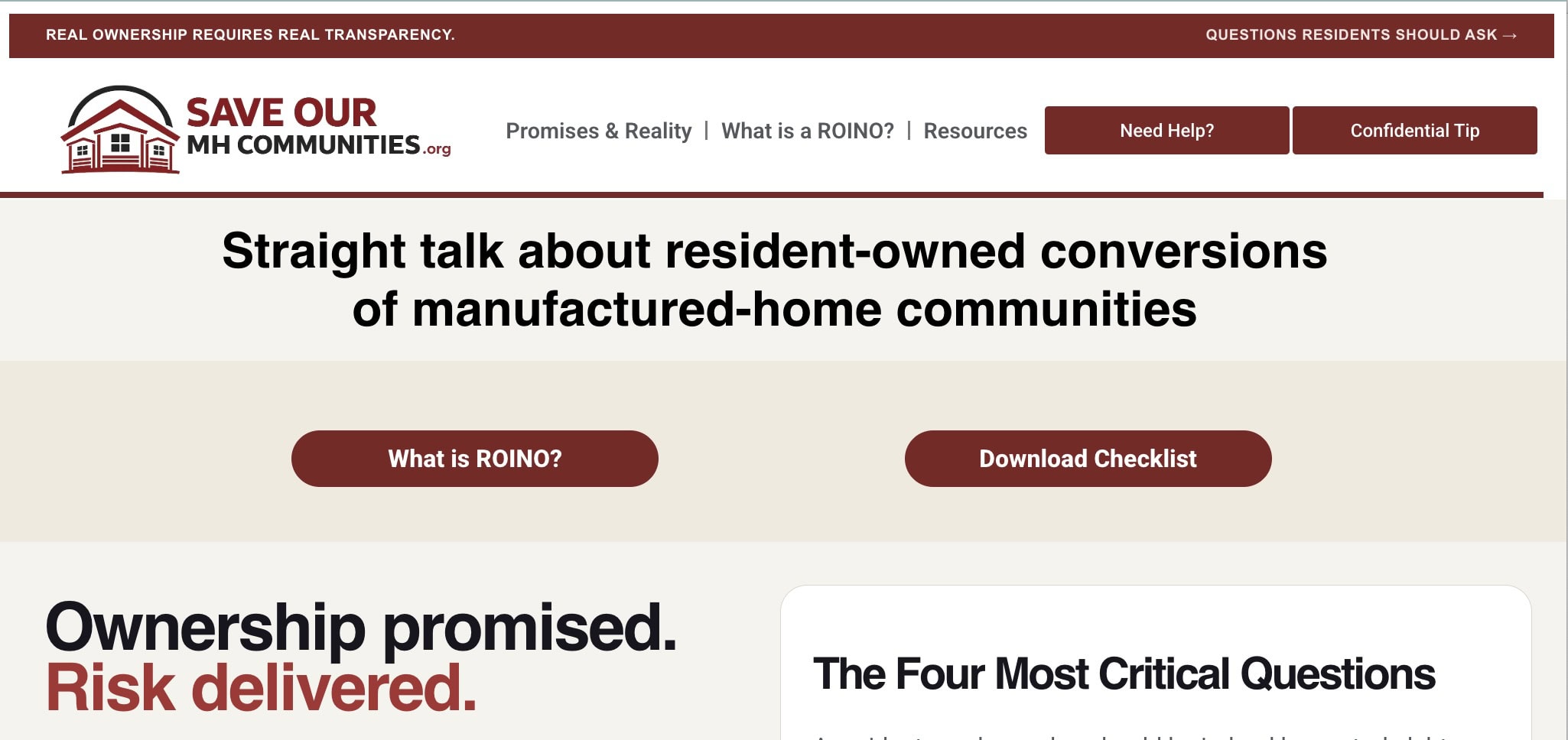
MHI Website Defends Land-Lease Model, Exposes “Resident-Owned in Name Only” Conversion Risks
MHI launched a new public education resource designed to help manufactured housing residents better understand resident-ownership conversion proposals and the financial, legal and operational commitments that can come with them.
A Landmark Housing Reform, Captured in One Word
On November 11, the Times selected “chassis” for its daily vocabulary feature and reported that the word had appeared in 65 articles on NYTimes.com in the past year. To illustrate its meaning, the publication chose a passage about manufactured housing and the significance of the new federal housing law, the 21st Century ROAD to Housing Act.
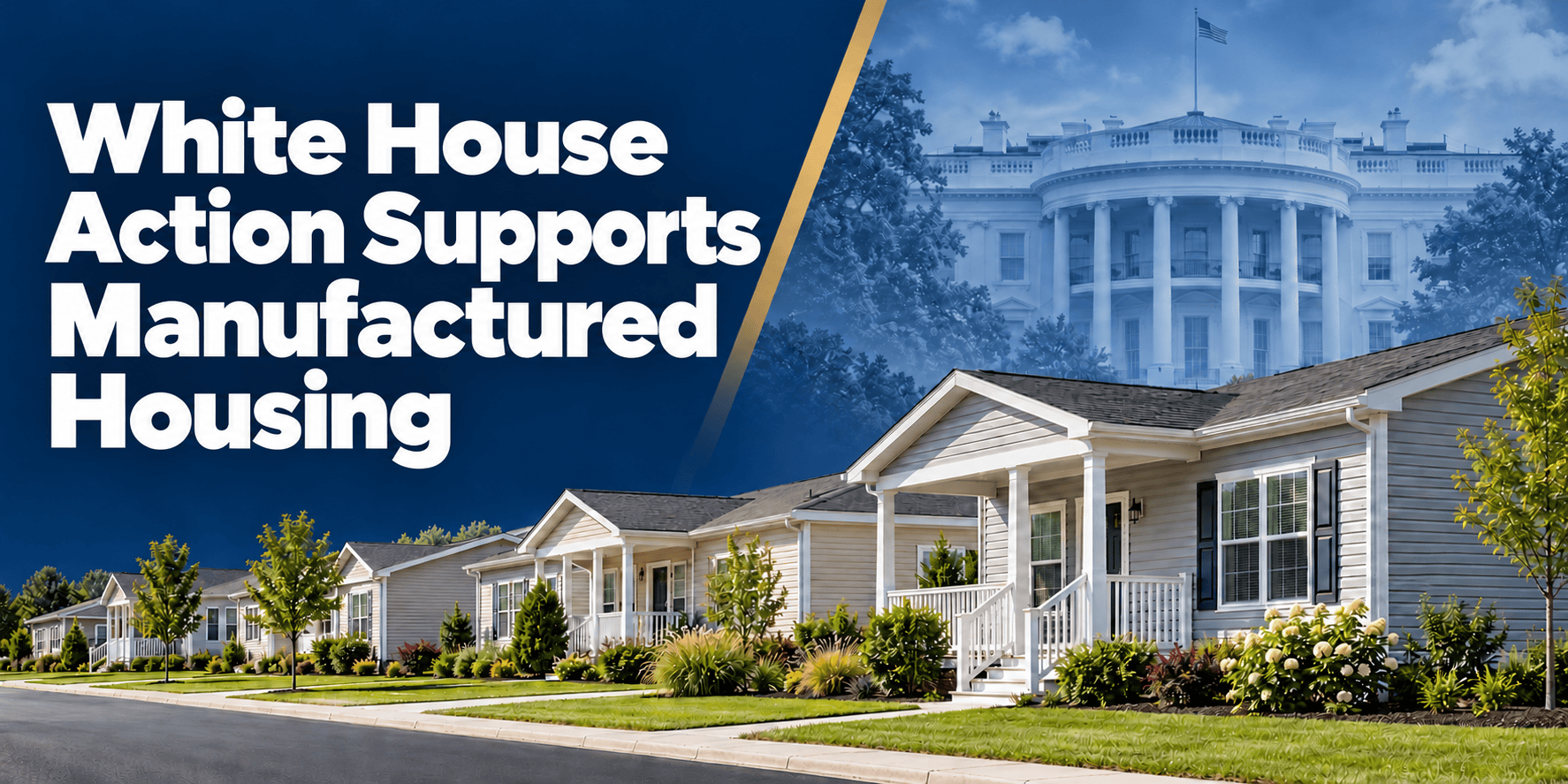
New Federal Task Force Elevates Manufactured Housing’s Role in Expanding Supply
As MHI reported in its October 23 Housing Alert, President Trump’s October 22 Executive Order established a Task Force on Manufactured Housing Innovation to address barriers to production and expand attainable homeownership.